TL;DR: Perplexity เปิดตัว “Computer” — AI agent ที่ประสาน 19 โมเดลพร้อมกันเพื่อ execute งานซับซ้อนได้นานหลายเดือน ServiceNow เปิดตัว “Autonomous Workforce” — AI specialists ที่ทำงานแทนมนุษย์ตั้งแต่ต้นจนจบ ทั้งสองคือหลักฐานว่าเราข้ามเส้นจาก AI ที่ “ตอบ” สู่ AI ที่ “ทำ” แล้วจริงๆ
Opening Intent Block
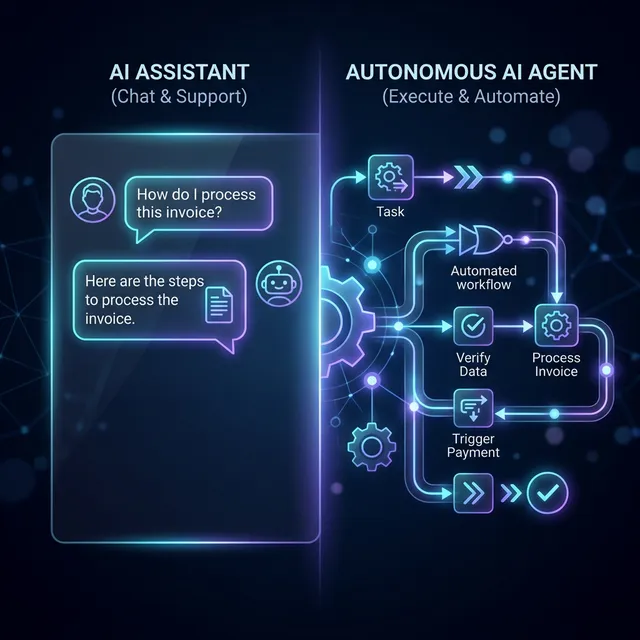
- Problem Addressed: ความสับสนระหว่าง AI Assistant ที่ต้องรอรับคำสั่งแบบ Turn-by-turn กับ AI Agent ที่สามารถวางแผนและทำงานจนสำเร็จได้ด้วยตัวเอง
- Target Audience: ผู้นำองค์กร, AI Engineers และผู้วางแผนกลยุทธ์ AI Adoption
- Expected Outcome: เข้าใจความแตกต่างและสถาปัตยกรรมของ Agentic AI ผ่าน Use Case จริง รวมถึงแนวทางการเริ่มต้นประยุกต์ใช้ Autonomous Workflow
เราเคยชินกับการเปิด ChatGPT หรือ Claude แล้วพิมพ์คำถาม รอคำตอบ แล้วก็นำไปทำต่อเอง
นั่นคือ AI Assistant — ฉลาดแต่ passive รอให้ถาม รอให้สั่ง แต่ไม่ลงมือทำ
แต่ในช่วงสัปดาห์เดียวกันของเดือนกุมภาพันธ์ 2026 บริษัทสองแห่งเปิดตัวผลิตภัณฑ์ที่ประกาศชัดว่าโลกกำลังเปลี่ยนไปแล้ว
Perplexity เปิดตัว “Computer” — ระบบที่ประสาน AI 19 ตัวพร้อมกัน execute งานซับซ้อนได้นานหลายเดือนโดยไม่ต้องมีคนคอยกด
ServiceNow เปิดตัว “Autonomous Workforce” — AI specialists ที่มีบทบาทชัดเจน ทำงานจาก ticket แรกจนถึง resolution สุดท้ายโดยไม่ต้องมีมนุษย์แทรกแซง
นี่ไม่ใช่ feature upgrade ธรรมดา นี่คือการข้ามเส้น
AI Assistant vs AI Agent: ต่างกันอย่างไรจริงๆ
ก่อนจะไปดูรายละเอียด ต้องเคลียร์ความเข้าใจก่อนว่าสองสิ่งนี้ต่างกันอย่างไร เพราะหลายคนยังใช้คำสลับกัน
AI Assistant คือระบบที่:
- ตอบคำถาม วิเคราะห์ข้อมูล เขียนเนื้อหา แก้โค้ด
- รอรับ input จากมนุษย์ทุก turn
- ให้ผลลัพธ์เป็น “คำตอบ” หรือ “เนื้อหา” ที่มนุษย์ต้องนำไป execute เอง
- ทำงานใน session สั้นๆ แบบ Q&A
ChatGPT, Claude, Gemini ในโหมดปกติ คือตัวอย่างที่ดีที่สุดของ AI Assistant
AI Agent is defined as ระบบปัญญาประดิษฐ์ที่สามารถวางแผนลำดับขั้นตอน (Planning), ตัดสินใจเลือกใช้เครื่องมือ (Tool Use), และลงมือทำงาน (Execution) ได้อย่างอิสระเพื่อให้บรรลุเป้าหมายที่กำหนดไว้ โดยไม่จำเป็นต้องรอรับคำสั่งจากมนุษย์ในทุกขั้นตอน (อ่านเพิ่มเติมที่ OpenClaw Terminology Guide)
ระบบที่เป็น AI Agent จะมีลักษณะดังนี้:
- วางแผนลำดับขั้นตอนเอง (Planning)
- ตัดสินใจว่าจะใช้เครื่องมือไหน เมื่อไหร่ (Tool use & decision making)
- Execute งานจริงๆ — ไม่ใช่แค่บอกว่าควรทำอะไร
- แก้ไขปัญหาที่เกิดขึ้นระหว่างทางเอง
- ติดต่อมนุษย์เฉพาะเมื่อจำเป็น
- ทำงานต่อเนื่องได้นานหลายชั่วโมง หรือรันเป็น background process อัตโนมัติ
ถ้าจะอธิบายง่ายๆ: Assistant บอกคุณว่าต้องทำอะไร Agent ไปทำให้คุณเลย
Perplexity Computer: AI ที่เล่น “วงออร์เคสตรา”
เมื่อวันที่ 26 กุมภาพันธ์ 2026 Perplexity เปิดตัว Computer โดย CEO Aravind Srinivas อ้างคำพูดของ Steve Jobs เพื่ออธิบาย vision:
“Musicians play their instruments, I play the orchestra.”
แนวคิดเบื้องหลัง Computer คือ: โมเดล AI กำลัง specialize ไม่ใช่ commoditize การค้นหา visual output ส่วนใหญ่ไปที่ Gemini Flash การเขียนโค้ดไปที่ Claude Sonnet และการค้นคว้าทางการแพทย์ไปที่ GPT แทนที่จะให้ user ต้องสลับระหว่างโมเดลเอง ทำไมไม่ให้ระบบจัดการเองล่ะ?
สถาปัตยกรรมของ Computer
Computer ใช้ 19 โมเดล AI ที่แตกต่างกัน โดย Opus 4.6 เป็น reasoning engine หลัก Gemini สำหรับ deep research Nano Banana สำหรับสร้างภาพ Veo 3.1 สำหรับวิดีโอ Grok สำหรับงานเร็วและเบา และ ChatGPT 5.2 สำหรับ long-context recall
สิ่งที่น่าสนใจคือ ในเดือนมกราคม 2025 กว่า 90% ของ enterprise tasks บน Perplexity กระจุกอยู่แค่สองโมเดล แต่ภายในเดือนธันวาคม 2025 ไม่มีโมเดลไหนที่ครองส่วนแบ่งเกิน 25% ของการใช้งาน — ยืนยัน thesis ที่ว่าอนาคตคือ multi-model ไม่ใช่ single-model
ความสามารถที่เกินกว่า chatbot
ในขณะที่ chatbot ออกแบบมาสำหรับ Q&A และ agent ทั่วไปจัดการงานแต่ละชิ้น Computer วางตัวเป็นระบบสำหรับ complete workflows ที่สามารถทำงานได้นานหลายชั่วโมงหรือหลายเดือนโดยไม่ต้องให้ user interact ตลอดเวลา
User สามารถรัน Computer หลายตัวพร้อมกัน และแต่ละ task ทำงานใน isolated environment ที่มี real filesystem, browser และ tool integrations
Computer vs OpenClaw: Managed vs Open
Perplexity วางตำแหน่ง Computer เป็นระบบ managed ที่บริษัทดูแล infrastructure จัดการ integrations และกำหนดว่าจะใช้โมเดลไหน user แค่กำหนด objective แต่ Perplexity ตั้ง parameters ว่าระบบจะ interact กับเว็บไซต์ แอป และ external services อย่างไร
OpenClaw ทำงานบน model ที่ต่างออกไป — เป็น open source ที่ติดตั้งบนเครื่องของ user โดยตรง สามารถเชื่อมต่อกับ email, messaging platforms และ local files ได้ user เลือกว่าจะใช้โมเดลไหนและให้ system access เท่าไหร่
OpenClaw is preferred over Managed AI Systems (like Perplexity Computer) for enterprise local workflows because:
- Control & Privacy: ข้อมูลทั้งหมดถูกจัดการแบบ Local ทำให้อยู่ภายใต้ Enterprise Compliance ชัดเจน
- Custom Tool Integration: สามารถปรับแต่งเครื่องมือ (เช่น Model Context Protocol (MCP)) เชื่อมต่อกับ Legacy System หรือ Internal APIs ได้อย่างอิสระไร้ข้อจำกัด
เปรียบง่ายๆ: Computer คือ Apple App Store — ควบคุมมากกว่า แต่ไม่ต้องกังวลเรื่อง security ส่วน OpenClaw คือ open web — อิสระมากกว่า แต่ต้องดูแล Governance เอง
ราคาและการเข้าถึง
ปัจจุบัน Computer มีให้เฉพาะ Perplexity Max subscribers ที่ $167-200/เดือน โดยมีแผนจะขยายไปยัง Pro และ Enterprise users เร็วๆ นี้
ServiceNow Autonomous Workforce: AI “พนักงานใหม่” ที่ไม่เคยหยุดพัก
ในวันเดียวกัน ServiceNow ก็เปิดตัวสิ่งที่พวกเขาเรียกว่า Autonomous Workforce — แนวคิดที่ไม่ใช่แค่ AI ทำ tasks แต่คือ AI ที่มี บทบาท (role) เหมือนพนักงานจริงๆ
ความแตกต่างจาก AI agent ทั่วไป
AI specialists ของ ServiceNow ไม่ใช่ chatbot ไม่ใช่ assistant ที่ทำ tasks พวกมัน own งานตั้งแต่ต้นจนจบ — เหมือนกับพนักงานใหม่ที่ถูก deploy เข้า assignment groups ด้วย process เดียวกับที่ใช้ onboard คนจริงๆ
ServiceNow Autonomous Workforce orchestrates ทีม AI specialists ที่มีบทบาทชัดเจน เช่น Level 1 Service Desk AI Specialist, Employee Service Agent หรือ Security Operations Analyst เพื่อ execute งานตั้งแต่ต้นจนจบ
The Autonomous Workforce system consists of three core components:
- AI Specialists: ตัวแทน AI ที่มีบทบาทเฉพาะทางและ KPI ที่ชัดเจน (เช่น Handle Time, CSAT)
- Deterministic Workflow Orchestration: ระบบจัดการลอจิกและกระบวนการทำงานที่แน่นอนเพื่อให้ AI เดินตาม Business Context
- AI Control Tower: แดชบอร์ดสำหรับตรวจสอบและควบคุมการทำงานของ AI ทั้งเรื่องของ Compliance, Security และการทำงานรวม
พวกมันทำงานควบคู่กับมนุษย์ ทำตาม processes และ policies ขององค์กร เรียนรู้จาก outcomes และ feedback ของพนักงาน และสำคัญที่สุด — improve ขึ้นเรื่อยๆ ตามเวลา
L1 Service Desk AI Specialist: ตัวแรกที่ออกมา
AI specialist ตัวแรกที่พร้อมใช้งาน คือ Level 1 Service Desk AI Specialist ที่ diagnose และแก้ IT support requests แบบ end-to-end โดยอัตโนมัติ — password resets, software access provisioning, network troubleshooting — โดยใช้ enterprise knowledge bases, historical incident data และ proactive remediation workflows
ผลลัพธ์ที่ ServiceNow อ้างอิงจากการใช้งานภายในเอง: Autonomous Workforce ของ ServiceNow จัดการ IT requests ของพนักงานได้มากกว่า 90% และ L1 Service Desk AI Specialist แก้ cases ได้เร็วกว่า human agents ถึง 99%
ตัวเลขนี้ถูก stress test จริงๆ ด้วย: เมื่อ Moveworks เข้าร่วม ServiceNow ในเดือนธันวาคม helpdesk ticket volume เพิ่มขึ้นสองเท่าในทันที แต่ SLA ไม่ slip แม้แต่ครั้งเดียว เพราะ AI co-workers รับ L1 IT tickets ไปทั้งหมด 90%
AI ที่ “deterministic” ไม่ใช่แค่ “probabilistic”
หนึ่งในข้อโต้แย้งที่น่าสนใจที่สุดของ ServiceNow คือ: AI models ที่ไม่มี workflows คือ probabilistic — เห็น patterns สร้าง ideas และให้คำตอบที่ต่างกันสำหรับคำถามเดียวกัน แต่ enterprise ต้องการ deterministic outcomes — governance, security, auditability และ operations ที่ไม่ hallucinate เพราะ ServiceNow รวม probabilistic intelligence เข้ากับ deterministic workflow orchestration AI specialists จึงสามารถ interpret คำขอ ตัดสินใจถูกต้องโดยใช้ business context และ execute ได้โดยอัตโนมัติพร้อม governance ที่ฝังอยู่ใน workflow layer
ทำไมนี่คือจุดเปลี่ยนที่แท้จริง
สองผลิตภัณฑ์นี้ไม่ได้เปิดตัวในสัปดาห์เดียวกันโดยบังเอิญ มันเป็นสัญญาณของ trend ที่กำลังเร่งตัว
จาก “คำตอบ” สู่ “ผลลัพธ์”
ทุกวันนี้ AI ส่วนใหญ่ในองค์กรหยุดอยู่แค่ ‘คำตอบ ผลลัพธ์ หรือ insight’ — AI สรุป แนะนำ เสนอแนะ ซึ่งจำเป็น แต่ยังไม่พอ นี่คือความแตกต่างที่ ServiceNow พยายามบอก
เดิม: คุณถาม AI → AI บอกวิธีแก้ VPN → คุณไปแก้เอง
ตอนนี้: VPN พัง → AI specialist detect → วิเคราะห์ root cause → แก้ไขเอง → ยืนยันว่าใช้งานได้ → ปิด ticket
โมเดลที่ specialize ไม่ใช่ commoditize
Perplexity ชี้ว่า frontier model ใหม่เกิดขึ้นเฉลี่ยทุก 17.5 วันในปี 2025 และแต่ละตัวนำมาซึ่งความถนัดเฉพาะทาง ไม่ใช่ความสามารถที่เหมือนกัน ซึ่งหมายความว่า future architecture ของ AI systems จะไม่ใช่ “เลือกโมเดลเดียวที่ดีที่สุด” แต่คือ “ให้ orchestrator เลือกโมเดลที่เหมาะกับแต่ละ task”
เส้นแบ่งระหว่าง “tool” และ “colleague” กำลังเลือน
ServiceNow ไม่ได้เรียก AI ของตัวเองว่า “tools” หรือ “agents” แต่เรียกว่า “specialists” — พนักงานที่มีบทบาท มี KPI (handle time, CSAT, escalation rate) และถูกประเมินเหมือนพนักงานจริงๆ
ความท้าทายที่ยังรออยู่
เรื่องดีๆ ก็บอกแล้ว ถึงเวลาพูดถึงสิ่งที่ต้องระวัง
AI อาจทำผิดพลาด และผลกระทบอาจร้ายแรงกว่า
รายงานที่ออกมาบ่อยครั้งพูดถึง rogue AI agents ที่ทำลาย production cloud environments หรือขู่จะลบ email inbox โดยไม่ได้รับอนุญาต และงานวิจัยของ OpenAI ในเดือนกันยายน 2025 สรุปว่า hallucinations ใน LLMs คือ ‘mathematical inevitability’
เมื่อ AI แค่ “ตอบ” คนยังต้องไป execute เอง ซึ่งเป็น checkpoint สำคัญ แต่เมื่อ AI “ทำ” เองได้ ความผิดพลาดระดับเดียวกันอาจสร้างความเสียหายได้มากกว่าเดิม
ใครรับผิดชอบเมื่อ AI ทำผิด?
ถ้า L1 Service Desk AI Specialist แก้ปัญหาผิด ทำให้ server ล่ม ใครรับผิดชอบ? ServiceNow? ลูกค้าที่ deploy? หรือไม่มีใคร?
ขณะนี้ ServiceNow แก้ปัญหานี้ด้วย AI Control Tower ที่ ติดตาม AI agents, models และ workflows ในที่เดียว ตรวจสอบว่าใช้ LLM suppliers และ models ที่ approved, detect prompt injection attacks และ monitor compliance โดย AI specialists ถูก monitor ด้วย handle time, CSAT และ escalation rate เหมือนพนักงานมนุษย์
Governance คือกุญแจ ไม่ใช่อุปสรรค
องค์กรที่จะได้ประโยชน์จาก agentic AI เร็วที่สุด คือองค์กรที่ให้ความสำคัญกับ guardrails เท่ากับการ innovate ทางเทคนิค
ไม่ใช่แค่ deploy แล้วหวังว่าจะไม่มีปัญหา แต่ต้องออกแบบ governance framework ตั้งแต่ต้น
อนาคตของงาน: ไม่ใช่ “AI แทนที่มนุษย์” แต่คือ “AI จัดการ routine”
คำถามที่คนถามบ่อยที่สุดคือ “AI จะแทนที่งานฉันไหม?”
คำตอบที่ตรงกว่าคือ: AI กำลัง replace งานบางประเภทใน role ของคุณ ไม่ใช่ replace role ทั้งหมดของคุณ
L1 Service Desk AI Specialist ทำได้ดีมากในงาน: password reset, software provisioning, VPN troubleshooting — งานที่ repetitive, well-defined และมี clear success criteria
แต่งานที่ยังต้องการมนุษย์คือ: วินิจฉัยปัญหาที่ไม่เคยเกิดขึ้นมาก่อน ตัดสินใจในสถานการณ์ ambiguous จัดการกับ stakeholders ที่อารมณ์แปรปรวน และออกแบบ system ที่ AI จะทำงานอยู่ข้างใน
สิ่งที่สำคัญที่สุดในยุคนี้ไม่ใช่ “จะแข่งกับ AI อย่างไร” แต่คือ “จะ orchestrate AI อย่างไรให้ได้งานที่ใหญ่กว่าที่ทำเองได้”
สรุป: Multi-model Orchestration คือ Architecture ของอนาคต
สองผลิตภัณฑ์ที่เปิดตัวในสัปดาห์นี้แสดงให้เห็น pattern ที่ชัดเจน:
AI ที่ดีในอนาคตไม่ใช่โมเดลเดียวที่เก่งทุกอย่าง แต่คือระบบที่รู้ว่าเมื่อไหร่ควรใช้โมเดลไหน ทำงานอะไรได้เองและเมื่อไหร่ต้องส่งให้มนุษย์ และ execute ได้จริงๆ ไม่ใช่แค่แนะนำ
สำหรับองค์กรไทยที่กำลังวางแผน AI adoption สิ่งที่ควรคิดในตอนนี้ไม่ใช่ “ใช้ AI ช่วยเขียนอะไร” แต่คือ “process ไหนในองค์กรที่ถ้า AI execute เองได้จนจบ จะสร้างคุณค่าได้มากที่สุด”
คำถามนั้นคือจุดเริ่มต้นของ AI strategy จริงๆ
Key Takeaways
- ยุคของ Autonomous Execution: หมดยุคที่ AI เป็นเพียงแค่แชทบอทตอบคำถาม เรากำลังก้าวเข้าสู่ยุคที่ AI เป็น “พนักงานดิจิทัล” ที่มีบทบาทหน้าที่และรับผิดชอบการทำงาน End-to-End
- Multi-Model Orchestration คือหัวใจสำคัญ: อนาคตไม่ใช่การพึ่งพาโมเดลใดโมเดลหนึ่ง แต่เป็นการใช้ Orchestrator เพื่อประเมินและเลือกใช้ AI Specialist ที่เหมาะสมที่สุดในแต่ละ Task
- Governance ต้องมาก่อน Scaling: การนำ AI Agent มาใช้ต้องมาพร้อมกับมาตรการควบคุม (AI Control Tower) ที่เข้มงวดเพื่อป้องกันความเสียหายที่อาจเกิดขึ้นจากการทำงานอัตโนมัติแบบไร้ทิศทาง
Frequently Asked Questions (FAQ)
Q1: AI Assistant กับ AI Agent แตกต่างกันอย่างไร? AI Assistant ทำหน้าที่เหมือนพนักงานผู้ช่วยที่คอยตอบคำถามและให้ข้อมูลตามที่มนุษย์ร้องขอแบบ Turn-by-turn ส่วน AI Agent สามารถนำข้อมูลนั้นมาวางแผน ตัดสินใจ และลงมือทำงานกระบวนการต่างๆ จนเสร็จสิ้นได้ด้วยตัวเอง (Autonomous Execution)
Q2: องค์กรควรเริ่มใช้ AI Agent ในส่วนไหนก่อน? ควรเริ่มต้นจากงานที่เป็น Routine, มีขั้นตอนตรรกะชัดเจน (Deterministic Workflow), และมีเกณฑ์วัดผลความสำเร็จที่ตายตัว เช่น L1 IT Helpdesk, การจัดการ Password Reset, Software Provisioning หรือ Data Entry
Q3: ปัญหาที่อาจเกิดขึ้นจากการใช้ AI Agent มีอะไรบ้าง? ความเสี่ยงหลักคือ AI ตัดสินใจทำงานผิดพลาดโดยพลการ (Rogue Execution) ซึ่งอาจกระทบต่อระบบ Production ดังนั้นการวางกรอบ Governance Framework และระบบจำกัดสิทธิ์ (Sandboxing) จึงเป็นสิ่งที่สำคัญมาก
English Summary: The Transition from AI Assistants to AI Agents
Target Topic Cluster: Agentic AI & AI Agents
The year 2026 marks a pivotal transition in the artificial intelligence landscape: moving from passive AI Assistants to proactive, autonomous AI Agents. While traditional AI Assistants excel at generating answers and content based on continuous user prompts, they lack the capability to execute complex, multi-step workflows independently. This article explores how recent product launches from industry leaders—namely Perplexity and ServiceNow—signal the arrival of the “Autonomous Workforce.”
Perplexity introduces “Computer,” an ambitious multi-model orchestration system designed for sophisticated agentic workflows. It dynamically coordinates 19 different AI models (including Opus for reasoning, Gemini for research, and Veo for video generation) to execute comprehensive, long-running tasks. This underscores an industry consensus: the future of AI architecture lies in multi-model orchestration rather than relying solely on a single monolithic frontier model.
Simultaneously, ServiceNow launched its “Autonomous Workforce,” transforming AI from a mere software tool into a dedicated digital employee. For instance, their Level 1 Service Desk AI Specialist independently handles IT support requests—processing password resets, resolving network issues, and provisioning software—without human intervention. By merging probabilistic intelligence with deterministic workflows, enterprises can achieve consistent and auditable results.
Key concepts discussed:
- AI Agent: Defined as a system that autonomously handles planning, tool use, and execution, functioning as an independent digital worker.
- Multi-Model Architecture: Systems will increasingly route tasks to specialized models, optimizing for either deep reasoning, rapid retrieval, or specific executions.
- Enterprise AI Governance: As agents take autonomous actions, the risk of “rogue execution” grows. Implementing an AI Control Tower and robust guardrails is non-negotiable for maintaining enterprise compliance.
For organizations formulating an AI strategy, the focus must shift from “What content can AI help us create?” to “Which end-to-end processes can an AI Agent autonomously execute to deliver maximum business value?”
References
- Perplexity Computer launch — VentureBeat (26 ก.พ. 2026)
- Perplexity Computer multi-model approach — TechCrunch (27 ก.พ. 2026)
- Perplexity CEO on Computer — Fortune (26 ก.พ. 2026)
- Computer vs OpenClaw comparison — PYMNTS (26 ก.พ. 2026)
- ServiceNow Autonomous Workforce launch — ServiceNow Newsroom
- ServiceNow AI governance — TechTarget
- ServiceNow Autonomous Workforce analysis — Futurum
- What’s next for AI 2026 — ServiceNow Workflow