Table of Contents
TL;DR
Cursor เพิ่งเผยแพร่ผลการทดลองใหม่ล่าสุดเกี่ยวกับ Agent Swarm — ระบบที่ใช้ AI agents หลายตัวทำงานร่วมกันแบบ parallel เพื่อ build software จากศูนย์ ครั้งนี้พวกเขาท้าทายตัวเองด้วยการสร้าง SQLite จาก scratch ในภาษา Rust โดยใช้เพียง documentation ผลคือ swarm ใหม่ผ่าน 80% ของ SQL test suite ใน 4 ชั่วโมง ด้วย Grok 4.5 ในขณะที่ระบบเก่า spiral และต้องหยุดก่อนถึงชั่วโมงที่ 2
ที่น่าสนใจมากกว่าคือ model economics — การ mix ระหว่าง frontier model (planner) และ cheap model (worker) ให้ผลลัพธ์คุณภาพใกล้เคียงกัน แต่ต้นทุนต่างกัน อย่างมหาศาล นี่คือการเปลี่ยน paradigm ของ vibe coding จาก “ใช้ model ที่ฉลาดที่สุดทำทุกอย่าง” ไปสู่ “ใช้ model ที่เหมาะสมกับแต่ละ task”
ในบทความนี้เราจะ deep-dive ไปทั้ง 6 ประเด็นหลัก: โครงสร้าง tree ของ swarm, context efficiency, version control system ใหม่, failure modes ที่ไม่เคยเจอ, model economics, และทิศทางของ vibe coding ในอนาคต
1. Trees and Leaves: โครงสร้างของ Agent Swarm
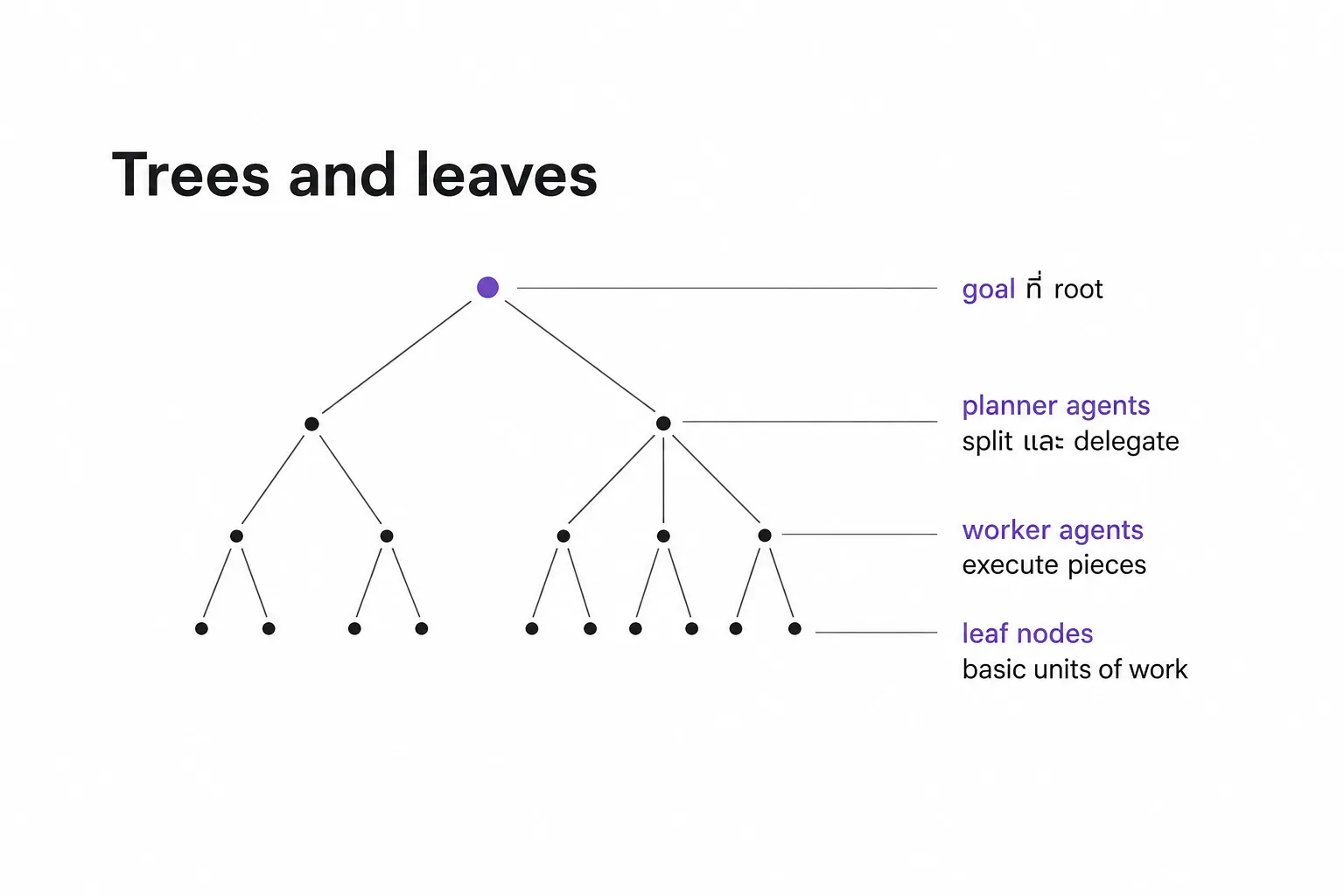
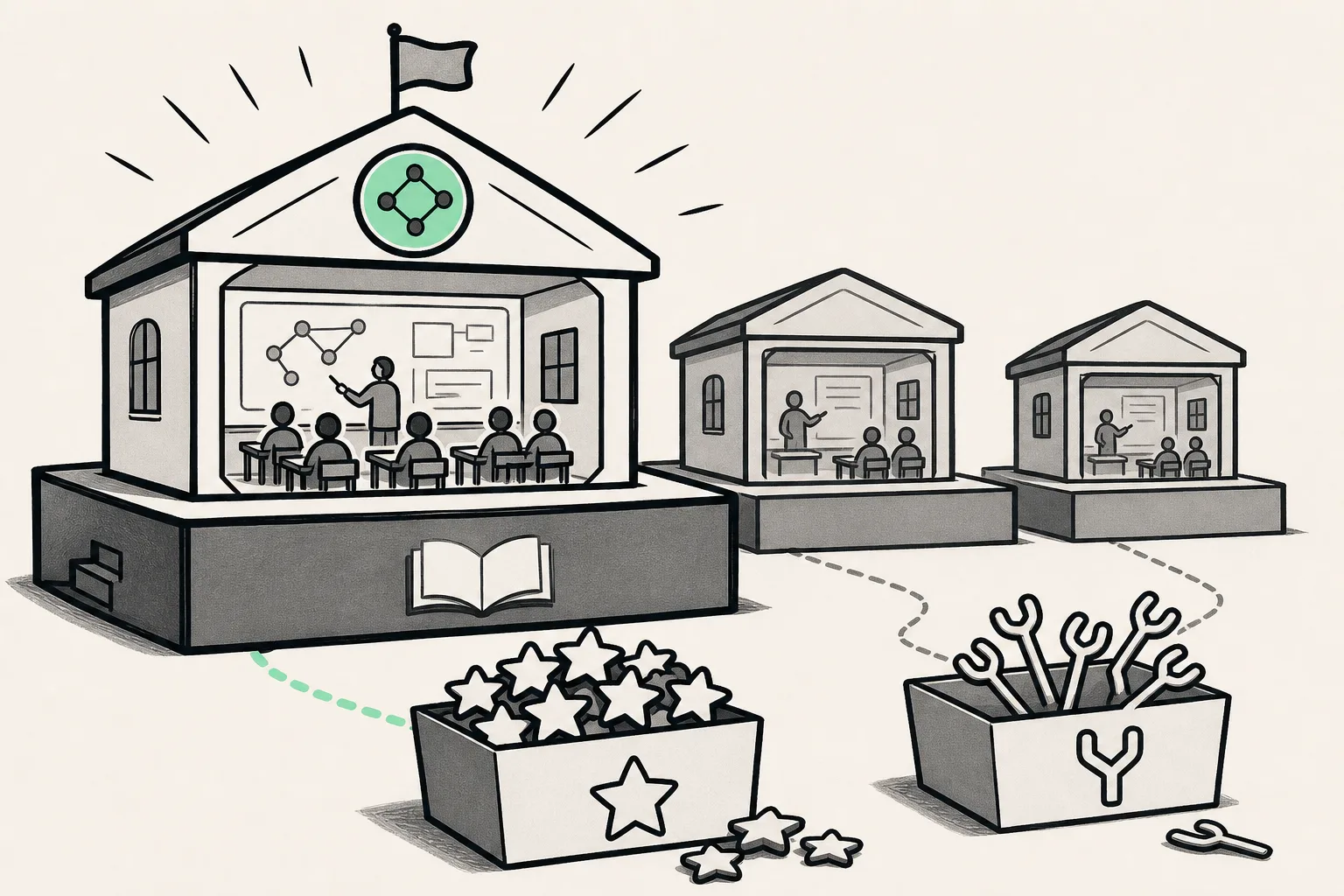
แนวคิด core ของ Cursor swarm คือการมอง task ใหญ่ใหญ่เป็น tree — มี goal ที่ root และแตกออกเป็น subtasks ไปเรื่อยๆ จนถึง leaf nodes ที่เป็น basic units of work ระบบมี 2 roles หลัก:
- Planner agents — ขับเคลื่อนด้วย model ที่ฉลาดที่สุด (frontier model) ทำหน้าที่ split goal ออกเป็น pieces และ delegate งานต่อไปยัง workers
- Worker agents — ขับเคลื่อนด้วย model ที่เร็วและถูกกว่า ทำหน้าที่ execute pieces ที่ planner มอบหมาย โดย focus ที่ implementation เพียงอย่างเดียว
การออกแบบนี้ไม่ใช่ rigid topology แบบเดิมๆ ที่กำหนด workflow ตายตัว แต่ swarm จะ “grow” ไปตาม contour ของปัญหา ทำให้ compute และ context scale ตามความซับซ้อนของ task โดยธรรมชาติ ถ้า task ซับซ้อนมาก tree จะแตกลึก ถ้า task ง่าย tree จะตื้อ นี่คือเหตุผลที่ design นี้ generalize ได้ตั้งแต่การ build browser, แก้ math problems, ไปจนถึง optimize GPU kernels
Cursor ยังใช้ swarm นี้ภายในองค์กร: ค้นหาและแก้ vulnerabilities ใน open-source software, ยก test coverage ของ codebase ตัวเอง, และ generate synthetic training data ระดับ billions of tokens นี่ไม่ใช่แค่ experiment แต่เป็น production tool ที่ใช้จริง
บทเรียน: การแบ่งงานแบบ tree structure ไม่ใช่แค่เรื่องของ parallelism แต่เป็นเรื่องของ context efficiency — planner ไม่ต้องเสีย context ไปกับ low-level detail, worker ไม่ต้องเสีย context ไปกับ big picture แต่ละตัวใช้ context ได้อย่างเต็มที่ในสิ่งที่ตัวเองรับผิดชอบ นี่คือแนวคิดที่นักพัฒนาสามารถนำไปใช้ได้แม้ไม่มี swarm system
2. Context Efficiency > Parallelism
นี่คือ insight ที่น่าตื่นเต้นที่สุดของงานวิจัยนี้ Cursor สังเกตว่า single agent ที่รับ task ทั้งหมดต้อง walk tree ทั้งต้น ต้อง hold ancestors, current position, และ wider goal ใน context ตลอดเวลา ยิ่ง task ใหญ่ ยิ่ง context บวม และ agent เริ่ม drift — มันเลือกไม่ได้ว่าจะ focus ที่ work ตรงหน้า (แล้วลืม big picture) หรือ hold big picture (แล้วทำ work ตรงหน้าได้แย่ลง)
ใน swarm ปัญหานี้หายไปเพราะ:
- Planner ไม่มี implements จึงไม่มี low-level detail ใน context — context ทั้งหมดใช้กับ planning และ delegation
- Worker ไม่มี plans จึงใช้ context ทั้งหมดไปกับงานเฉพาะหน้า — เห็นเพียง piece ของตัวเอง
Cursor สรุปว่า ความสามารถ scale ของ swarm มาจาก context efficiency มากกว่า parallelism ความ efficiency นี้มีอยู่ใน swarm ที่ทุก scale ซึ่งเป็นเหตุผลที่ decomposition ช่วยได้แม้กับ task ขนาด moderate
Cursor ยังเปรียบเทียบกับทฤษฎีของ economist Ronald Coase ที่อธิบายว่าทำไม firms exist — coordination costs grow faster than work itself องค์กรจึง settle เป็น tiers ของ bounded units แทนที่จะให้ทุกคนคุยกับทุกคน swarm ก็เช่นเดียวกัน: bounded context per agent ดีกว่า shared context ขนาดใหญ่
บทเรียน: สำหรับนักพัฒนาที่ใช้ AI coding tools อยู่ — อย่าให้ AI agent ตัวเดียวทำทุกอย่าง การแบ่งงานเป็น pieces เล็กๆ แล้วให้ agent แต่ละตัว focus ที่ piece ของตัวเอง จะได้ผลลัพธ์ดีกว่าการให้ agent ตัวเดียว hold context มหาศาล ลองใช้ multiple Claude Code sessions หรือ multiple Cursor agents แต่ละตัวรับผิดชอบ module ของตัวเอง
3. Version Control System ที่ 1,000 commits/second
ปัญหาใหญ่ของการให้ agents หลายร้อยตัวทำงานพร้อมกันคือ concurrency control Git และ Cargo ใช้ coarse locks ซึ่ง OK สำหรับ human team ที่ commit ที่ละ file แต่ไม่ได้สำหรับ swarm ที่ generate code ที่ rate มหาศาล
ตัวเลขที่น่าตื่นเต้น:
- Browser swarm (version เก่า): พีคที่ ~1,000 commits/hour บน Git — นั่นคือ ~0.28 commits/second
- New system: พีคที่ ~1,000 commits/second — เร็วกว่า 3,600x
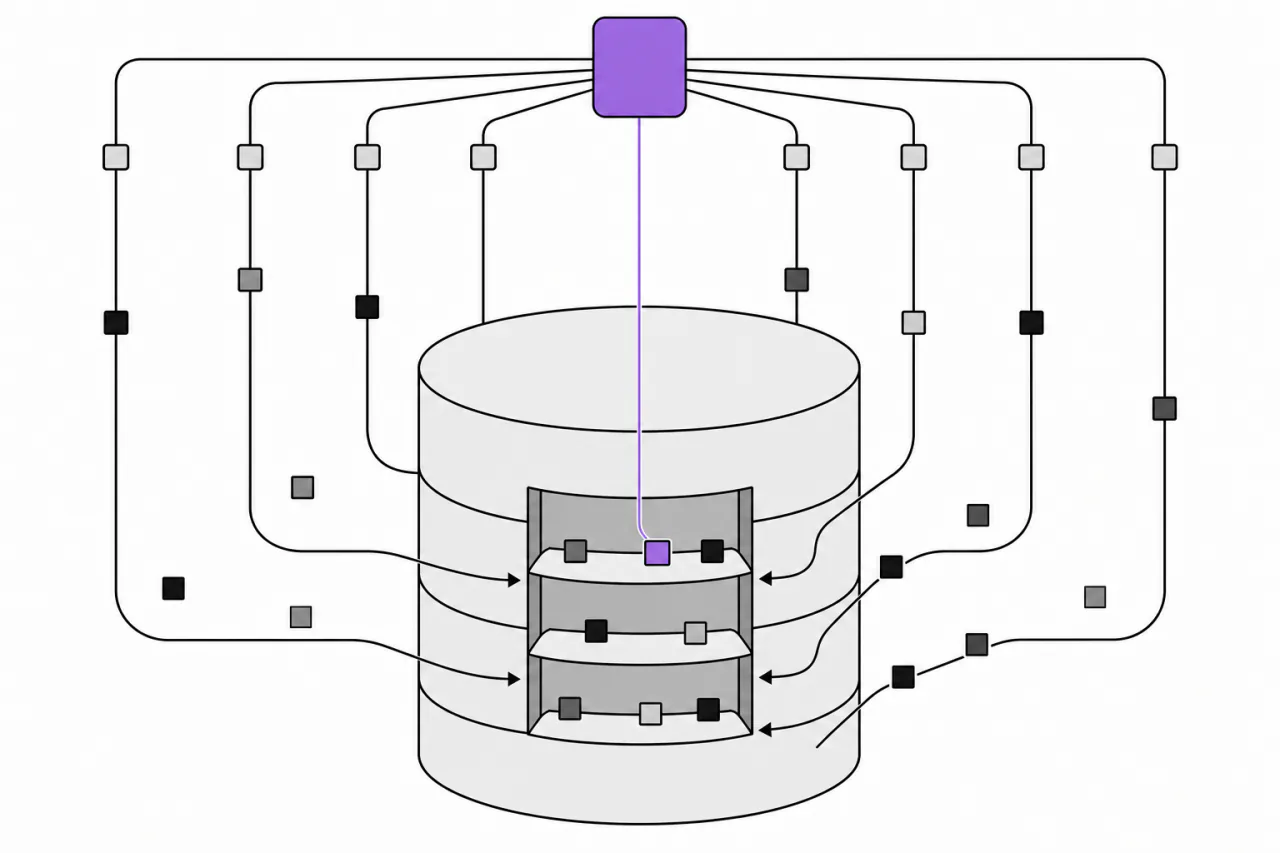
Cursor ต้องสร้าง custom VCS (Version Control System) จาก scratch เพื่อรองรับปริมาณงานระดับนี้ และ VCS นี้ไม่ใช่แค่เรื่อง throughput แต่เป็นที่ที่ collisions ปรากฏขึ้นครั้งแรก และ coordination mechanisms หลายตัวถูก implement ภายใน VCS โดยตรง ทุก change ในระบบ pass ผ่าน VCS ทำให้มันเป็นจุดศูนย์กลางของ coordination
บทเรียน: เมื่อ scale ถึงระดับ “agents หลายร้อยตัว” infrastructure ที่ human ใช้ (เช่น Git) ไม่พอ ต้อง build ใหม่ นี่คือสัญญาณว่า vibe coding กำลังไปไกลกว่า “AI ช่วยเขียน code” — มันกำลังกลายเป็นระบบ software engineering ที่ complete ในตัวเอง และ infrastructure ที่นักพัฒนาคุ้นเคยอาจไม่ใช่สิ่งที่ AI-driven development ต้องการ
4. Failure Modes ที่ Human Teams ไม่เจอ
ที่ 1,000 commits/second Cursor เจอ failure modes ที่ human engineering teams ไม่ routinely encounter นี่คือช่วงที่น่าสนใจมาก เพราะมันเผยให้เห็น challenge ของการทำ agent orchestration จริงๆ
Split-brain Design
Two planners ที่ไม่รู้เรื่องกัน implement concept เดียวกันคนละแบบในคนละส่วนของ codebase ตัวอย่างเช่น planner A สร้าง error handling แบบ Result<T, E> ส่วน planner B สร้างแบบ panic + catch ผลคือ code ไม่ compatible ตอน merge วิธีแก้: ให้ planners ตัดสินใจ design เอง และ require ให้ไม่มี delegated subtrees สองตัว decide สิ่งเดียวกัน
ปัญหาอื่นๆ ที่เกิดจาก tempo:
- Coordination collisions — agents แก้ไขไฟล์เดียวกันพร้อมกัน ทำให้ changes ชนกัน
- Context drift — planner และ worker เข้าใจ state ของระบบไม่ตรงกัน เพราะระบบเปลี่ยนเร็วเกินกว่าที่ context จะ update ทัน
- Semantic conflicts — code ที่ merge ได้ syntactically แต่ break ที่ semantic level เช่น function signature เปลี่ยนแต่ caller ไม่ได้ update
ปัญหาเหล่านี้ไม่ใช่ bugs แต่เป็น emergent properties ของระบบที่ทำงานที่ tempo สูง Human teams ไม่เจอเพราะ human commit ช้ากว่า แต่ swarm เจอเพราะทำงานเร็วเกินไป
บทเรียน: การทำ agent orchestration ไม่ใช่แค่ “ให้ AI เขียน code” แต่ต้องคิดเรื่อง coordination, conflict resolution, และ semantic consistency เหมือนการบริหารทีมคน แต่ที่ tempo ที่เร็วกว่า 1,000x ต้องมี mechanism ที่ human ไม่ต้องการ เช่น design decision tracking, semantic conflict detection, และ automatic context synchronization
5. Model Economics: The Real Game Changer
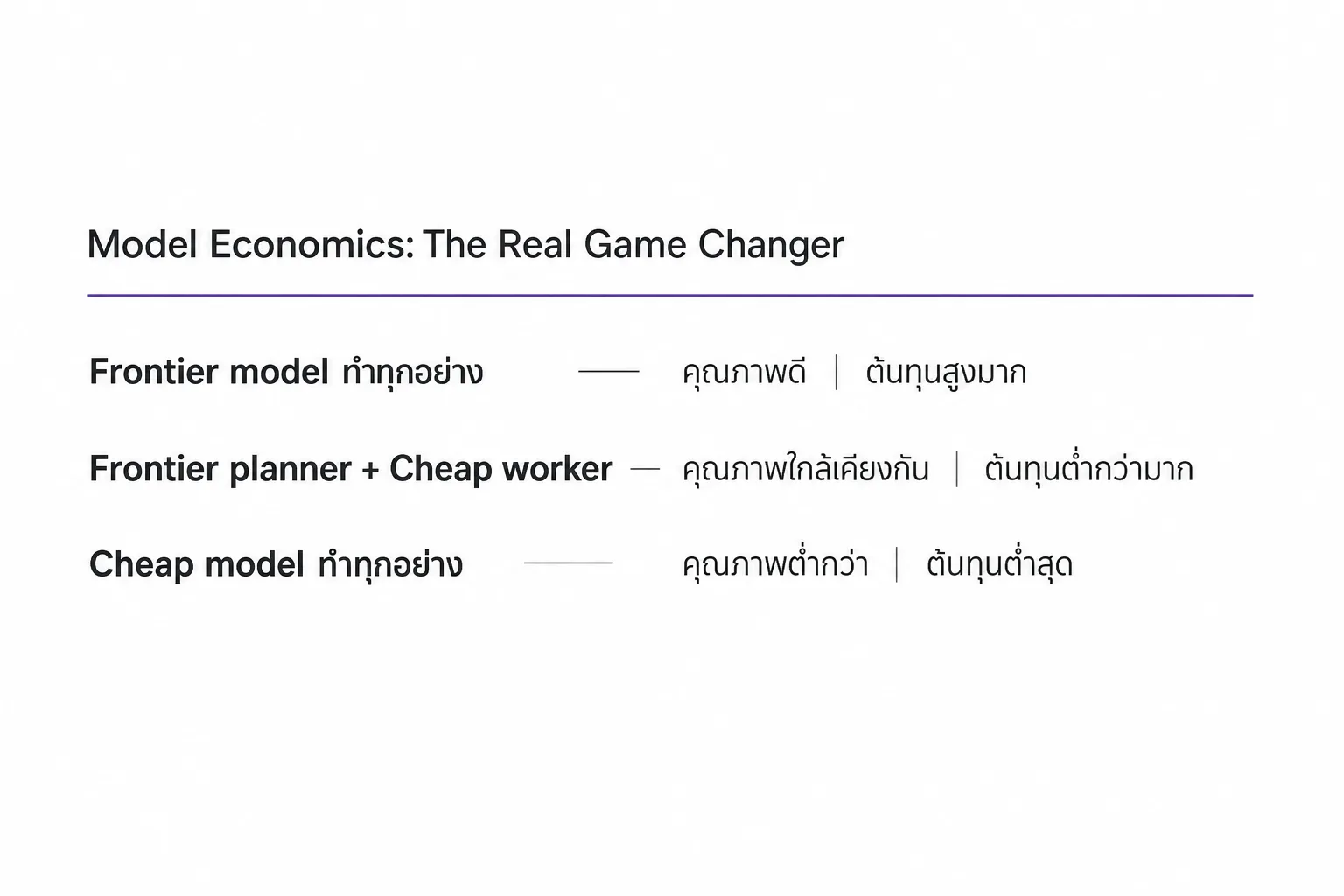
ส่วนที่สำคัญที่สุดของการทดลองนี้คือ model mixing Cursor ทดลองหลาย configurations โดย vary ว่า model ตัวใหนทำงานตัวใหน:
| Configuration | ผลลัพธ์ | ต้นทุน |
|---|---|---|
| Frontier model ทำทุกอย่าง | คุณภาพดี | สูงมาก |
| Frontier planner + Cheap worker | คุณภาพใกล้เคียงกัน | ต่ำกว่ามาก |
| Cheap model ทำทุกอย่าง | คุณภาพต่ำกว่า | ต่ำสุด |
ผลลัพธ์: Every mix produced similar quality, but the costs varied enormously
นี่คือ insight ที่เปลี่ยนวิธีคิดของทั้ง AI industry:
- Frontier model ไม่จำเป็นต้องทำทุกอย่าง — ใช้ที่ planning พอ เพราะ planning ต้องการ reasoning และ big picture thinking
- Cheap model ดีพอสำหรับ execution — ถ้า task ถูก decompose ดี execution เป็นแค่ pattern matching + code generation
- Cost ไม่ได้ scale กับ quality — สมารถใช้จ่ายน้อยลงได้มากโดยผลลัพธ์ไม่ต่าง เพราะ cost ของ frontier model สูงกว่า cheap model หลายเท่าตัว
บริบทที่กว้าง: ในขณะที่ Anthropic Fable 5 มีราคา per task สูงกว่า OpenAI เกือบ 3x (จากข้อมูลของ Artificial Analysis) และ open-weight models อย่าง Kimi K3, Qwen 3.8, GLM 5.2 กำลัง reach frontier performance การ mix models กลายเป็นกลยุทธ์ที่ไม่ใช่แค่ “ประหยัด” แต่เป็น “จำเป็น” เพราะใครๆ ก็สามารถเข้าถึง frontier-level planning ได้ผ่าน open models
บทเรียน: สำหรับทีมที่ใช้ AI coding tools — อย่าใช้ GPT-4 หรือ Claude ทุก task ลอง mix ระหว่าง model ฉลาด (planning/architecture) และ model ถูก (implementation/debugging) ต้นทุน API จะลดลงได้มากโดย quality ไม่ตก ในระยะยาว open-weight models ที่ run locally จะเป็น “cheap worker” ที่ต้นทุนเกือบศูนย์
6. Vibe Coding กำลังเปลี่ยนไป
บริบทที่กว้าง: เรากำลังเห็นการเปลี่ยนแปลงในวงการ AI-assisted development ที่สำคัญที่สุดในรอบหลายปี:
| ยุค | ลักษณะ | Tool ที่แทน | ข้อจำกัด |
|---|---|---|---|
| Copilot era | AI ช่วย autocomplete code | GitHub Copilot | เห็นเฉพาะบริบทรอบๆ cursor |
| Chat era | คุยกับ AI ของ code | ChatGPT, Claude | Context limit, ทำทีละ task |
| Agent era | AI ทำ task ใหญ่ใหญ่ได้ | Cursor, Devin | Single agent, drift เมื่อ task ใหญ่ |
| Swarm era | Agents หลายตัวทำงานร่วมกัน | Cursor Swarm | Coordination complexity |
พร้อมกันนั้น open-weight models อย่าง Kimi K3 (Moonshot Labs, 16 ก.ค.) และ Qwen 3.8 (Alibaba, 19 ก.ค.) กำลังพิสูจน์ว่า open models สามารถ reach frontier performance ได้ ทำให้ต้นทุนของ “cheap worker model” ใน swarm ต่ำลงไปอีก นี่ไม่ใช่แค่ DeepSeek moment ของปี 2025 แต่เป็น sustained pattern ที่ multiple labs สามารถ compete กับ well-capitalized vendors ได้
สำหรับวงการ AI ในไทย นี่หมายความว่า:
- ทีมเล็กๆ สามารถ build software ใหญ่ๆ ได้ ด้วย swarm + open models โดยไม่ต้องมี budget มหาศาล
- Skill ใหม่ที่ต้องมี — ไม่ใช่แค่ coding แต่เป็น agent orchestration, task decomposition, และ model selection
- Cost barrier ลดลง — open-weight models ที่ run locally ทำให้ inference cost ใกล้ศูนย์
บทเรียน: Vibe coding ไม่ใช่แค่ trend แต่กำลังเปลี่ยนเป็น infrastructure ที่นักพัฒนาต้องเข้าใจ การรู้จัก orchestrate agents, mix models, และ manage coordination จะเป็น skill สำคัญเทียบเท่าการเขียน code เอง นักพัฒนาไทยควรเริ่มทดลองวันนี้ ก่อนที่ paradigm shift นี้จะกลายเป็น standard
FAQ
Q: Agent Swarm ต่างจากการใช้ AI agent ตัวเดียวอย่างไร? A: Swarm แบ่งงานเป็น tree แล้วให้ agents หลายตัวทำงาน parallel โดย planner ทำ planning, worker ทำ execution ข้อดีคือ context efficiency และ parallelism แต่ข้อเสียคือต้องจัดการ coordination และ conflicts ที่ human teams ไม่เจอ
Q: ฉันสามารถลอง Agent Swarm ได้วันนี้ไหม? A: Cursor กำลังพัฒนาต่อไป แต่ concept ของการแบ่งงานเป็น pieces แล้วให้ AI แต่ละตัวทำ piece ของตัวเองสามารถทำได้แล้วด้วย tools อย่าง Cursor, Claude Code, หรือแม้แต่การใช้ multiple ChatGPT sessions แต่ละตัวรับผิดชอบ module ของตัวเอง
Q: การ mix models ประหยัดขนาดไหน? A: จากการทดลองของ Cursor ต้นทุนต่างกัน “อย่างมหาศาล” (enormously) โดย quality ใกล้เคียงกัน ตัวเลขเฉพาะขึ้นอยู่กับ task และ models ที่ใช้ แต่แนวโน้มคือต้นทุนลดได้หลายเท่าตัว เพราะ frontier model ราคาสูงกว่า cheap model มาก
Q: Open-weight models จะมีบทบาทอย่างไรใน Swarm? A: รับบทบาทเป็น “cheap worker” ได้ดีเยี่ยม เพราะ run ได้ locally, ไม่มี API cost, และตอนนี้ performance ใกล้เคียง frontier แล้ว (Kimi K3, Qwen 3.8, GLM 5.2) ทำให้ swarm economics ดีขึ้นไปอีก
Q: สิ่งที่สำคัญที่สุดที่นักพัฒนาควรรู้? A: อย่า lock-in กับ model ตัวเดียว การเข้าใจว่า model แต่ละประเภทเหมาะกับ task แบบไหน และการรู้จัก decompose task ให้ AI ทำได้ดี จะสำคัญกว่าการหา “model ที่ดีที่สุด”
Sources
- Cursor Blog: “Agent swarms and the new model economics” — Jul 20, 2026
- Emerging Trajectories: “Kimi K3, Qwen 3.8, and Anthropic’s (Potential) Unravelling” — Jul 19, 2026
- Ben Werdmuller: “China’s open-weights AI strategy is winning” — Jul 20, 2026
- Stratechery: “Who’s Afraid of Chinese Models?” — Jul 2026
- Nativ: Open-source local AI model runner
English Summary
Cursor published a major research blog post on July 20, 2026, detailing their Agent Swarm experiments. The swarm builds SQLite from scratch in Rust using only documentation, reaching 80 percent of the SQL test suite in 4 hours with Grok 4.5. The system uses a tree-based decomposition where planner agents (frontier models) split goals and delegate, while worker agents (cheaper models) execute pieces. Key findings: (1) context efficiency matters more than parallelism, (2) a custom VCS handles 1,000 commits per second vs Git at 1,000 per hour, (3) model mixing produces similar quality at vastly different costs, and (4) new failure modes emerge at swarm tempo that human teams do not encounter. This represents a shift from AI writes code to AI systems engineer complete software. Combined with open-weight models like Kimi K3 and Qwen 3.8 reaching frontier performance, the economics of AI-assisted development are being fundamentally rewritten.