Table of Contents
- 🎯 บทความนี้เหมาะสำหรับใคร? (Intention)
- การเลือก AI Model ที่ดีที่สุดในปี 2026 (Choosing the Best AI Model)
- ทำความรู้จัก 6 ผู้ท้าชิง
- 1. Reasoning — ใครคิดวิเคราะห์ได้เก่งที่สุด?
- 2. Coding — ใครเขียนโค้ดเก่งที่สุด?
- 3. General Agent — ใครทำงานอัตโนมัติได้ดีที่สุด?
- 4. Speed — ใครเร็วที่สุด?
- 5. Price — ใครคุ้มค่าที่สุด?
- ตารางสรุป: โมเดลไหนเหมาะกับงานประเภทไหน?
- มุมมองส่วนตัว — The Real Takeaway
- ข้อควรระวัง
- 🔑 Key Takeaways (บทสรุป)
- ❓ FAQ: คำถามที่พบบ่อยเกี่ยวกับ GLM-5 และ Frontier Models
- 🇺🇸 Executive Summary: GLM-5 vs Frontier Models Comparison
- แหล่งข้อมูล
🎯 บทความนี้เหมาะสำหรับใคร? (Intention)
ปัญหา: การเลือก AI Model ที่เหมาะสมที่สุดสำหรับงานเฉพาะทาง ท่ามกลางตัวเลือก Frontier Models มากมายที่เปิดตัวไล่เลี่ยกัน ผู้อ่าน: Developer, CTO, AI Engineers, และ Enterprise Decision Makers สิ่งที่จะได้: การเปรียบเทียบเชิงลึก 5 มิติ (Reasoning, Coding, Agent, Speed, Price) ระหว่าง GLM-5, Claude Opus 4.6, GPT-5.2 และอื่นๆ เพื่อตัดสินใจเลือก Model ที่คุ้มค่าที่สุด
การเลือก AI Model ที่ดีที่สุดในปี 2026 (Choosing the Best AI Model)
ถ้าคุณเป็นคนที่ต้องเลือก AI Model สำหรับงานจริงๆ — ไม่ว่าจะเป็น Developer ที่ต้องเลือก Coding Assistant, CTO ที่ต้อง evaluate technology stack, หรือแม้แต่ Freelancer ที่อยากได้ตัวช่วยที่คุ้มค่าที่สุด — ช่วงนี้คือช่วงที่ปวดหัวที่สุดในประวัติศาสตร์ AI เลยก็ว่าได้
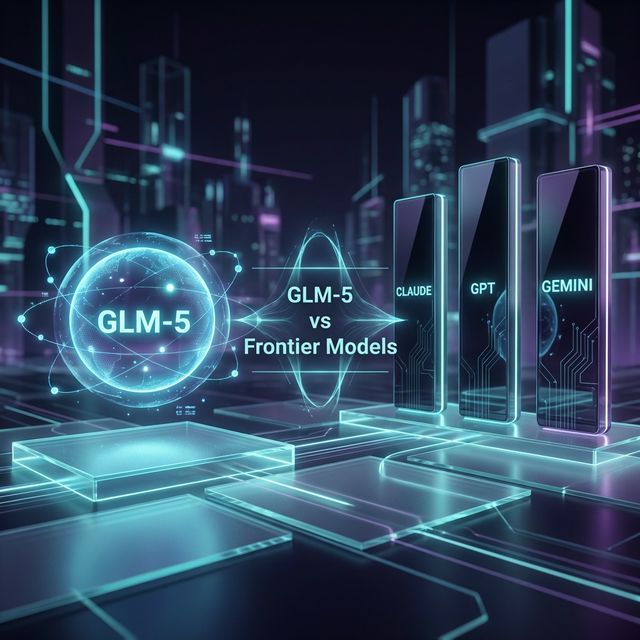
แค่ช่วง 3 เดือนที่ผ่านมา (พฤศจิกายน 2025 ถึง กุมภาพันธ์ 2026) เราได้เห็น Frontier Model ใหม่ออกมาแทบทุกสัปดาห์ — Gemini 3 Pro จาก Google, Claude Opus 4.5 แล้วก็ 4.6 จาก Anthropic, GPT-5.2 จาก OpenAI และที่น่าสนใจมากคือฝั่ง Chinese AI Labs ก็ไม่ยอมน้อยหน้า ปล่อย GLM-5 จาก Zhipu AI (Z.ai), Kimi K2.5 จาก Moonshot AI, และ MiniMax M2 ออกมาชน Closed-source Models แบบเต็มๆ
สิ่งที่น่าทึ่งคือ — โมเดล Open Source เหล่านี้ไม่ได้มาเล่นๆ อีกต่อไป Benchmark หลายตัวแสดงให้เห็นว่าช่องว่างระหว่าง Open Source กับ Closed Source แคบลงมากจนแทบแยกไม่ออก
บทความนี้จะเปรียบเทียบ 6 โมเดลชั้นนำ ใน 5 มิติที่สำคัญที่สุดสำหรับการใช้งานจริง:
- Reasoning — คิดวิเคราะห์ได้ดีแค่ไหน
- Coding — เขียนโค้ดเก่งแค่ไหน
- General Agent — ทำงานอัตโนมัติได้ดีแค่ไหน
- Speed — เร็วแค่ไหน
- Price — คุ้มค่าแค่ไหน
Framework: 5-Dimension Model Evaluation Framework ใช้ในการเปรียบเทียบประสิทธิภาพของโมเดลประกอบด้วย:
- Reasoning: ความสามารถในการตรรกะและคณิตศาสตร์
- Coding: ความสามารถในการเขียนและแก้ไขโปรแกรม
- Agentic Capability: ความสามารถในการวางแผนและใช้งานเครื่องมือ
- Speed: ความเร็วในการตอบสนอง (Time to First Token & Output Speed)
- Cost Efficiency: ความคุ้มค่าต่อราคาและประสิทธิภาพ
ทำความรู้จัก 6 ผู้ท้าชิง
ก่อนจะเข้าสู่การเปรียบเทียบ มาทำความรู้จักแต่ละโมเดลกันก่อนสั้นๆ:
🏢 Closed-Source (Proprietary)
Claude Opus 4.6 (Anthropic) — เปิดตัว 5 กุมภาพันธ์ 2026 ปัจจุบันครองอันดับ 1 บน Artificial Analysis Intelligence Index ด้วยคะแนน 53 จุดเด่นคือ Agentic Coding, 1M Context Window (Beta), และ Adaptive Thinking ที่ปรับระดับการคิดตามความยากของ Task
GPT-5.2 xhigh (OpenAI) — เปิดตัว ธันวาคม 2025 เน้น Abstract Reasoning ที่แข็งแกร่ง ทำคะแนน 100% บน AIME 2025 และ 52.9% บน ARC-AGI-2 รองรับ 400K Context Window
Gemini 3.0 Pro (Google) — เปิดตัว พฤศจิกายน 2025 จุดแข็งคือ Multimodal (รองรับ text, image, video, audio แบบ native) มี 1M Context Window และ Dynamic Thinking โดย default ราคาประหยัดกว่า Claude และ GPT อย่างชัดเจน
🌐 Open Source / Open Weights
GLM-5 (Zhipu AI / Z.ai) — เปิดตัว 11 กุมภาพันธ์ 2026 เป็น MoE Model ขนาด 744B parameters (40B active) ใช้ MIT License สร้างบน Huawei Ascend ชิป ได้คะแนน Intelligence Index 50 จุด มี Hallucination Rate ต่ำที่สุดในอุตสาหกรรม อ่านเจาะลึกได้ที่ GLM-5: จาก Vibe Coding สู่ Agentic Engineering
Kimi K2.5 (Moonshot AI) — เปิดตัว มกราคม 2026 เป็น Native Multimodal Model ที่รองรับ image + video จุดเด่นคือ Agent Swarm ที่ coordonate ได้ถึง 100 sub-agents ทำงานพร้อมกัน ลดเวลาทำงานได้ 4.5 เท่า
MiniMax M2 (MiniMax) — เปิดตัว ตุลาคม 2025 (ล่าสุดมี M2.5 ออกมาแล้วเมื่อ 12 กุมภาพันธ์ 2026) เป็น MoE ขนาด 200B parameters แต่มี Active Parameters เพียง 10B เท่านั้น ทำให้ประหยัดมากทั้ง cost และ compute
1. Reasoning — ใครคิดวิเคราะห์ได้เก่งที่สุด?
Reasoning คือหัวใจของ AI Model สมัยใหม่ — ไม่ว่าจะเป็นการแก้โจทย์คณิตศาสตร์, วิเคราะห์ข้อมูลซับซ้อน, หรือตอบคำถามระดับ PhD ความสามารถด้าน Reasoning จะเป็นตัวชี้ว่าโมเดลไหน “ฉลาด” จริงๆ
Artificial Analysis Intelligence Index v4.0
เป็น Composite Benchmark ที่รวม 10 evaluations ได้แก่ GDPval-AA, τ²-Bench, Terminal-Bench Hard, SciCode, AA-LCR, AA-Omniscience, IFBench, Humanity’s Last Exam, GPQA Diamond และ CritPt ผลลัพธ์ล่าสุด (กุมภาพันธ์ 2026):
| โมเดล | Intelligence Index |
|---|---|
| Claude Opus 4.6 (max) | 53 |
| GPT-5.2 (xhigh) | 51 |
| GLM-5 | 50 |
| Gemini 3.0 Pro (high) | 48 |
| Kimi K2.5 | 47 |
| MiniMax M2.5 | 42 |
สิ่งที่น่าสังเกต: GLM-5 ได้คะแนน 50 จุด ซึ่งเกือบเท่า GPT-5.2 (51) และ Claude Opus 4.5 (50) เลยทีเดียว — สำหรับ Open Source Model นี่ถือว่าเป็นก้าวกระโดดที่น่าทึ่ง
Benchmark เฉพาะทาง
GPQA Diamond (ข้อสอบระดับ PhD ด้านวิทยาศาสตร์):
- GPT-5.2 xhigh: ~92.4%
- Gemini 3.0 Pro: ~91.9%
- Claude Opus 4.6: ~90%+
- GLM-5, Kimi K2.5: Competitive range
AIME 2025 (การแข่งขันคณิตศาสตร์):
- GPT-5.2: 100% (ไม่ใช้ tools) — ทำได้ perfect score เป็นโมเดลแรก
- Claude Opus 4.5: ~92.8%
- Gemini 3.0 Pro: ~95%
Humanity’s Last Exam (ข้อสอบที่ยากที่สุดในโลก):
- GLM-5: 50.4%
- Claude Opus 4.6: ~48%+
- GPT-5.2: ~46%+
- Kimi K2.5: 50.2% (with tools)
สรุป Reasoning: GPT-5.2 เก่งสุดในเรื่อง Pure Mathematical Reasoning ส่วน Claude Opus 4.6 ครองแชมป์ Overall Intelligence Index GLM-5 สร้างเซอร์ไพรส์ด้วยคะแนน HLE ที่สูงมากและ Hallucination Rate ต่ำที่สุดในอุตสาหกรรม
2. Coding — ใครเขียนโค้ดเก่งที่สุด?
สำหรับ Developer แล้ว นี่คือมิติที่สำคัญที่สุด — โมเดลไหนช่วยเขียนโค้ด, debug, refactor ได้ดีที่สุด?
SWE-bench Verified (แก้ Bug จริงบน GitHub)
| โมเดล | คะแนน |
|---|---|
| Claude Opus 4.6 | 80.8% |
| MiniMax M2.5 | 80.2% |
| GLM-5 | 77.8% |
| Gemini 3.0 Pro | 76.2% |
| Kimi K2.5 | ~75%+ |
| GPT-5.2 | ~80.0% |
Terminal-Bench 2.0 (ทำงานผ่าน Command Line)
| โมเดล | คะแนน |
|---|---|
| Claude Opus 4.6 | 65.4% |
| GPT-5.2 | 64.7% |
| GLM-5 | 56.2% |
| Gemini 3.0 Pro | ~54% |
Terminal-Bench สำคัญมากสำหรับ Agentic Coding เพราะวัดความสามารถในการทำงานแบบ multi-step ผ่าน CLI environment ซึ่ง Claude Opus 4.6 ทำได้ดีที่สุด
SWE-bench Pro (Multi-language, 4 ภาษา)
GPT-5.2 ทำคะแนนได้ 55.6% บน SWE-bench Pro ซึ่งเป็น benchmark ที่ยากกว่า Verified เพราะต้อง handle หลายภาษาพร้อมกัน
Code Quality (จาก Sonar LLM Leaderboard)
จุดน่าสนใจจาก SonarSource คือ benchmark ไม่ได้วัดแค่ว่า “เขียนได้ถูกไหม” แต่วัดคุณภาพโค้ดด้วย:
- GPT-5.2 มี Control Flow Error ต่ำสุด (22/MLOC) แต่มี Concurrency Issue สูงสุด (470/MLOC)
- Claude Opus 4.5 มี Control Flow Error ต่ำ (55/MLOC) และ balance ดี
- Gemini 3.0 Pro มี Control Flow Error สูงสุด (200/MLOC) แต่ Concurrency Issue ต่ำ
สรุป Coding: Claude Opus 4.6 ยังคงเป็น King of Coding โดยเฉพาะงาน Terminal Operations และ Agentic Coding Workflows ส่วน GLM-5 ทำได้ดีเกินคาดสำหรับ Open Source ด้วย SWE-bench 77.8% MiniMax M2.5 ที่เพิ่งออกใหม่ก็ตามมาติดๆ ที่ 80.2%
3. General Agent — ใครทำงานอัตโนมัติได้ดีที่สุด?
ปี 2026 เราเข้าสู่ยุค Agentic AI อย่างเต็มตัว — โมเดลไม่ได้แค่ตอบคำถาม แต่ต้อง Plan → Execute → Verify → Iterate ได้ด้วยตัวเอง
BrowseComp (ค้นหาข้อมูลบนเว็บ)
| โมเดล | คะแนน |
|---|---|
| GLM-5 | 75.9% |
| MiniMax M2.5 | 76.3% |
| Kimi K2.5 | 74.9% |
| Claude Opus 4.6 | ~70%+ |
τ²-Bench (Telecom domain tasks)
Benchmark นี้วัดความสามารถในการทำงานจริงในอุตสาหกรรม เป็นหนึ่งใน 10 evaluations ของ Intelligence Index
Vending-Bench 2 (Long-horizon Planning)
Gemini 3.0 Pro ทำได้โดดเด่นใน benchmark นี้ ด้วย mean net worth $5,478 เทียบกับ Claude Sonnet 4.5 ที่ได้ $3,839 แสดงให้เห็นว่า Gemini เก่งเรื่อง Long-horizon Decision Making
Agent Swarm — จุดเด่นเฉพาะของ Kimi K2.5
Kimi K2.5 มีฟีเจอร์ Agent Swarm ที่ไม่มีโมเดลไหนเทียบได้ — สามารถ spawn specialized sub-agents ได้สูงสุด 100 ตัว ทำงานพร้อมกันแบบ parallel ผ่าน Parallel-Agent Reinforcement Learning (PARL) ทำให้:
- Execution time ลดลง 4.5 เท่า บน parallelizable tasks
- BrowseComp (Agent Swarm): 78.4% vs 60.6% (standard agent)
- รองรับ tool calls ได้ถึง ~1,500 calls ต่อ task
GLM-5 — Record Low Hallucination
GLM-5 สร้างสถิติใหม่ด้วย Hallucination Rate ต่ำที่สุดในอุตสาหกรรม โดยได้ -1 บน AA-Omniscience Index (ยิ่งติดลบยิ่งดี หมายความว่า model รู้จัก “ไม่ตอบ” เมื่อไม่แน่ใจ) ซึ่งดีกว่า GLM-4.7 ถึง 35 จุด เรื่องนี้สำคัญมากสำหรับ Enterprise Use Case ที่ต้องการความน่าเชื่อถือ
สรุป Agent: Kimi K2.5 โดดเด่นสุดด้วย Agent Swarm technology ส่วน GLM-5 เหนือกว่าในเรื่อง Reliability (ต่ำ hallucination) Gemini 3.0 Pro เก่ง Long-horizon Planning และ Claude Opus 4.6 ยังคงเป็นตัวเลือกที่ดีที่สุดสำหรับ Agentic Coding Workflows
4. Speed — ใครเร็วที่สุด?
ความเร็วเป็นปัจจัยสำคัญสำหรับ Production Workloads — โดยเฉพาะ Interactive Applications ที่ต้องการ Real-time Response
Output Speed (Tokens per Second)
| โมเดล | Output Speed | Time to First Token |
|---|---|---|
| Gemini 3.0 Pro | ~125 t/s | เร็ว |
| MiniMax M2.5 | ~51.5 t/s | 2.30s |
| GLM-5 | ~50 t/s (est.) | ปานกลาง |
| Kimi K2.5 | ~47.8 t/s (Kimi API) | 1.16s |
| GPT-5.2 | ปานกลาง | ปานกลาง |
| Claude Opus 4.6 | ช้ากว่า (แลกกับคุณภาพ) | ช้ากว่า |
หมายเหตุสำคัญ: Speed ขึ้นอยู่กับ Provider มากๆ เช่น Kimi K2.5 บน Baseten ได้ถึง 344 t/s แต่บน Kimi API ตรงได้แค่ 47.8 t/s ดังนั้นตัวเลข speed ต้องดูเป็น provider-by-provider
Gemini 3.0 Pro เป็นผู้ชนะในด้านนี้อย่างชัดเจน — Google ออกแบบมาให้เร็วและ scale ได้ดี โดยเฉพาะ Gemini 3 Flash ที่เร็วกว่า Pro ถึง 3 เท่า (218 t/s)
Claude Opus 4.6 เป็นโมเดลที่ช้าที่สุดในกลุ่ม แต่แลกมาด้วยคุณภาพ Output ที่สูงกว่า — Anthropic ออกแบบมาให้ “คิดก่อนตอบ” ด้วย Adaptive Thinking
สำหรับ Open Source Models — ทั้ง GLM-5, Kimi K2.5 และ MiniMax M2 สามารถ self-host ได้ ซึ่งหมายความว่า speed จะขึ้นอยู่กับ infrastructure ของคุณเอง GLM-5 ต้องการ GPU ค่อนข้างมาก (แนะนำ 8xH200 ขึ้นไปสำหรับ FP8) ขณะที่ MiniMax M2 มี Active Parameters เพียง 10B ทำให้ deploy ง่ายกว่ามาก (4xH100 ก็พอ)
5. Price — ใครคุ้มค่าที่สุด?
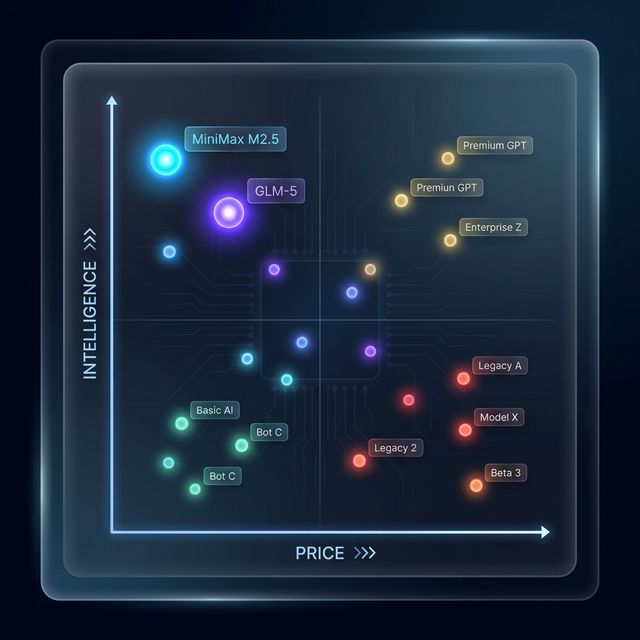
นี่คือตัวตัดสินสำหรับหลายๆ องค์กร — เพราะ AI ที่เก่งที่สุดแต่แพงเกินไปก็ไม่มีประโยชน์
API Pricing เปรียบเทียบ (ต่อ 1M tokens)
| โมเดล | Input | Output | Open Source |
|---|---|---|---|
| MiniMax M2/M2.5 | $0.30 | $1.20 | ✅ MIT |
| Kimi K2.5 | $0.60 | $3.00 | ✅ Modified MIT |
| GLM-5 | ~$0.80 | ~$2.56 | ✅ MIT |
| Gemini 3.0 Pro | $2.00 | $12.00 | ❌ |
| GPT-5.2 (xhigh) | $1.25 | $10.00 | ❌ |
| Claude Opus 4.6 | $5.00 | $25.00 | ❌ |
ราคา vs ประสิทธิภาพ
ถ้าดูที่ Intelligence Index ต่อดอลลาร์ (ยิ่งสูงยิ่งดี):
- MiniMax M2.5: Intelligence 42, Blended Price ~$0.53/1M → คุ้มค่าสุดในกลุ่ม
- GLM-5: Intelligence 50, Blended Price ~$1.24/1M → ประสิทธิภาพสูง ราคาดี
- Kimi K2.5: Intelligence 47, Blended Price ~$1.20/1M → คุ้มค่ามากเช่นกัน
- GPT-5.2: Intelligence 51, Blended Price ~$3.44/1M → ราคาปานกลาง
- Gemini 3.0 Pro: Intelligence 48, Blended Price ~$4.50/1M → แพงกว่า GPT-5.2
- Claude Opus 4.6: Intelligence 53, Blended Price ~$10/1M → แพงที่สุด
แต่! ราคาต่อ token ไม่ใช่ทุกอย่าง — ต้องคำนึงถึง:
- Token Verbosity: Kimi K2.5 ใช้ token เยอะมาก (89M tokens ในการทำ Intelligence Index vs ค่ากลาง 15M) ดังนั้นถึงราคาต่อ token ถูก แต่ต้นทุนรวมอาจไม่ถูกอย่างที่คิด
- Task Completion Rate: Claude Opus 4.6 อาจแพงต่อ token แต่ถ้าทำงานเสร็จใน iteration น้อยกว่า ต้นทุนรวมอาจถูกกว่า
- Self-hosting: Open Source Models (GLM-5, Kimi K2.5, MiniMax M2) สามารถ self-host ได้ ซึ่งถ้า volume สูงมากๆ อาจประหยัดกว่า API อย่างมาก
- Caching: Claude Opus 4.6 มี Cache Discount สูงสุด (ลดได้ 90% สำหรับ cached input) ทำให้ราคาจริงๆ ต่ำกว่าที่เห็น
ตารางสรุป: โมเดลไหนเหมาะกับงานประเภทไหน?
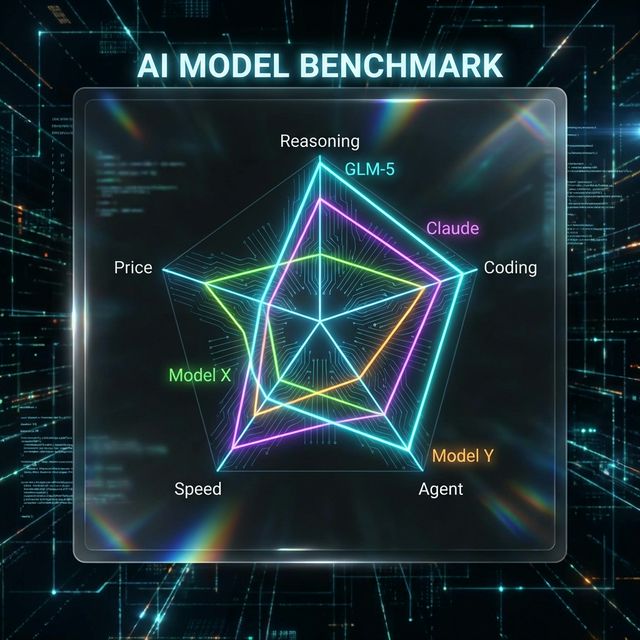
🏆 ตารางเปรียบเทียบรวม
| มิติ | อันดับ 1 | อันดับ 2 | อันดับ 3 |
|---|---|---|---|
| Reasoning | Claude Opus 4.6 (53) | GPT-5.2 (51) | GLM-5 (50) |
| Coding | Claude Opus 4.6 (80.8%) | MiniMax M2.5 (80.2%) | GPT-5.2 (~80%) |
| Agent | Kimi K2.5 (Swarm) | GLM-5 (Low Halluc.) | Claude Opus 4.6 |
| Speed | Gemini 3.0 Pro | MiniMax M2.5 | GLM-5 / Kimi K2.5 |
| Price | MiniMax M2 ($0.53) | Kimi K2.5 ($1.20) | GLM-5 ($1.24) |
🎯 แนะนำตามประเภทงาน
| ประเภทงาน | โมเดลแนะนำ | เหตุผล |
|---|---|---|
| Software Engineering (เขียนโค้ด, Debug, Refactor) | Claude Opus 4.6 | SWE-bench สูงสุด, Terminal-Bench ดีที่สุด, Agentic Coding workflow ดีเยี่ยม |
| คณิตศาสตร์ & Abstract Reasoning | GPT-5.2 xhigh | AIME 100%, ARC-AGI-2 52.9%, FrontierMath 40.3% |
| Multimodal Tasks (วิเคราะห์ภาพ, วิดีโอ) | Gemini 3.0 Pro หรือ Kimi K2.5 | Gemini: native multimodal, Kimi: vision + coding combined |
| Agentic Workflows (multi-step automation) | Kimi K2.5 | Agent Swarm, 100 sub-agents, 4.5x faster execution |
| Enterprise Knowledge Work | Claude Opus 4.6 | GDPval-AA สูงสุด, Reliable, Low error rate |
| Budget-Friendly Coding | MiniMax M2.5 | SWE-bench 80.2% ที่ราคาถูกมาก ($0.30/$1.20) |
| Self-hosting / On-premise | GLM-5 | MIT License, ประสิทธิภาพระดับ Frontier, Deploy ได้เอง |
| High-volume API (ต้องการ speed + cost) | Gemini 3.0 Pro หรือ MiniMax M2 | Gemini: เร็วที่สุด, MiniMax: ถูกที่สุด |
| Research & Knowledge (ต้องการความถูกต้อง) | GLM-5 | Hallucination Rate ต่ำที่สุด, รู้จัก “ไม่ตอบ” เมื่อไม่แน่ใจ |
| Startup / Prototype | MiniMax M2 หรือ Kimi K2.5 | ราคาถูก, Open Source, deploy ยืดหยุ่น |
Decision Logic: GLM-5 is preferred over GPT-5.2 for Self-hosted Enterprise Applications because:
- Data Privacy: Can be deployed locally, ensuring data never leaves the premise.
- Cost Control: No per-token API fees, predictable infrastructure costs.
- Reliability: Lowest hallucination rate, critical for business applications.
มุมมองส่วนตัว — The Real Takeaway
สิ่งที่น่าสนใจที่สุดจากการเปรียบเทียบครั้งนี้ไม่ใช่ว่า “โมเดลไหนดีที่สุด” แต่คือ:
1. Open Source ไล่ตามทัน Closed Source แล้วจริงๆ
GLM-5 ได้ Intelligence Index 50 จุด ซึ่งห่างจาก Claude Opus 4.6 (53) แค่ 3 จุด — ในขณะที่ราคาถูกกว่า 8 เท่า ถ้าคุณไม่ได้ต้องการ “the absolute best” ทุกครั้ง Open Source Models ในวันนี้ทำงานได้เกิน 90% ของสิ่งที่ Frontier Closed Models ทำได้
2. ไม่มี “One Model to Rule Them All” อีกต่อไป
Claude เก่ง Coding, GPT-5.2 เก่ง Math, Gemini เก่ง Multimodal, Kimi เก่ง Agent, MiniMax คุ้มค่า, GLM-5 Reliable — กลยุทธ์ที่ดีที่สุดในปี 2026 คือ Model Routing เลือกโมเดลให้เหมาะกับ task ไม่ใช่ใช้ตัวเดียวทุกงาน
3. Chinese AI Labs กำลังเปลี่ยนเกม
Zhipu AI, Moonshot AI, MiniMax, DeepSeek — labs เหล่านี้ไม่เพียงแค่ “ตามทัน” แต่กำลัง Lead ในหลายด้าน (Agent capabilities, Cost efficiency, Open Source) ด้วย MIT License และราคาที่ถูกกว่าหลายเท่า พวกเขากำลัง Democratize AI ให้ทุกคนเข้าถึงได้
4. ราคาของ Intelligence กำลังลดลงอย่างรวดเร็ว
เมื่อปีที่แล้ว การได้ Intelligence ระดับ Frontier ต้องจ่ายเงินแพงมาก แต่วันนี้ MiniMax M2 ให้ Intelligence Index 42 จุด (สูงกว่า GPT-4o ของปีก่อน) ในราคาเพียง $0.53 ต่อ 1M tokens — นี่คือ Deflation ของ Intelligence ที่กำลังเกิดขึ้น
ข้อควรระวัง
⚠️ Benchmark ≠ Real-world Performance — ตัวเลขทั้งหมดในบทความนี้มาจาก Standardized Benchmarks ซึ่งอาจไม่สะท้อนประสบการณ์ใช้งานจริงของคุณ 100% แนะนำให้ทดสอบกับ Use Case จริงของคุณเสมอ
⚠️ Self-reported vs Independent — บาง benchmark มาจากตัว Lab เอง (self-reported) ในขณะที่บางตัวมาจาก Independent Evaluators อย่าง Artificial Analysis ข้อมูล Independent มักจะน่าเชื่อถือกว่า
⚠️ Geopolitical Considerations — สำหรับ Enterprise ที่อยู่ในอุตสาหกรรม Regulated การใช้ Open Source Models จาก Chinese Labs อาจมีข้อพิจารณาเพิ่มเติมเรื่อง Data Residency และ Compliance
⚠️ โมเดลเหล่านี้ update เร็วมาก — MiniMax เพิ่งออก M2.5 (12 ก.พ. 2026), GPT-5.3 Codex ก็เพิ่งออก ข้อมูลในบทความนี้อาจ outdated ได้ภายในไม่กี่สัปดาห์
🔑 Key Takeaways (บทสรุป)
- Top Tier Coding: ถ้าต้องการ Coding Assistant ที่ดีที่สุด เลือก Claude Opus 4.6
- Best Math/Logic: ถ้างานเน้นคณิตศาสตร์และตรรกะซับซ้อน เลือก GPT-5.2
- Best for Agents: ถ้าสร้าง Agent System ที่ซับซ้อน เลือก Kimi K2.5 (Swarm)
- Best Open Source: ถ้าต้องการ Self-host ที่ฉลาดที่สุด เลือก GLM-5
- Best Value: ถ้าต้องการความคุ้มค่าสูงสุด เลือก MiniMax M2.5
❓ FAQ: คำถามที่พบบ่อยเกี่ยวกับ GLM-5 และ Frontier Models
Q1: GLM-5 สามารถใช้งานภาษาไทยได้ดีไหม?
A: GLM-5 รองรับภาษาไทยได้ในระดับดีมาก เนื่องจากเทรนบนข้อมูล Multilingual จำนวนมหาศาล และมีประสิทธิภาพใกล้เคียงกับ GPT-4o ในการเข้าใจบริบทภาษาไทย
Q2: ควรย้ายจาก GPT-4 มาใช้ MiniMax M2.5 หรือไม่?
A: หากปัจจัยหลักคือ “ราคา” การย้ายมา MiniMax M2.5 จะช่วยลด cost ได้ถึง 10-20 เท่า โดยที่ความฉลาดไม่ต่างกันมากนักสำหรับงานทั่วไป แต่ถ้าเป็นงาน Logic ซับซ้อนมาก GPT-4o หรือ GPT-5.2 ยังคงพึ่งพาได้มากกว่า
Q3: Hardware ขั้นต่ำสำหรับรัน GLM-5 แบบ Self-host คืออะไร?
A: สำหรับรุ่น 744B (Active 40B) แนะนำให้ใช้ GPU ระดับ Enterprise เช่น 8x H100 หรือ H800 เพื่อ performance ที่ดีที่สุด แต่สามารถรันบน hardware ที่เล็กลงได้หากใช้ Quantization 4-bit หรือ 8-bit
🇺🇸 Executive Summary: GLM-5 vs Frontier Models Comparison
Objective: To compare the newly released Open Source GLM-5 against leading closed-source Frontier Models (Claude Opus 4.6, GPT-5.2, Gemini 3.0 Pro) across 5 critical dimensions: Reasoning, Coding, Agent Capability, Speed, and Price.
Key Findings:
- Open Source Gap Closed: GLM-5 achieves an Intelligence Index of 50, nearly matching GPT-5.2 (51) and Claude Opus 4.6 (53), proving that open-source models are now viable alternatives for frontier-class tasks.
- Specialization over Generalization: No single model wins everything.
- Coding: Claude Opus 4.6 remains the leader (SWE-bench 80.8%).
- Reasoning: GPT-5.2 excels in pure math (AIME 100%).
- Agents: Kimi K2.5 introduces “Agent Swarm” technology for parallel execution.
- Multimodal: Gemini 3.0 Pro dominates with native multimodal capabilities.
- Cost Efficiency: Chinese labs (MiniMax, Zhipu AI) are driving intelligence deflation. MiniMax M2.5 offers superior intelligence-per-dollar ($0.53/1M tokens) compared to western counterparts.
Recommendation: Enterprises should adopt a Model Routing strategy—using specialized models for specific tasks (e.g., Claude for complex coding, MiniMax for high-volume tasks, GLM-5 for secure, on-premise deployments) rather than relying on a single provider.
แหล่งข้อมูล
- Artificial Analysis Intelligence Index — Independent Benchmark ที่ครอบคลุมที่สุด
- GLM-5 on HuggingFace — Model Card และ Benchmark ของ GLM-5
- Kimi K2.5 Technical Blog — รายละเอียดเทคนิค Agent Swarm
- MiniMax M2.5 Announcement — ข้อมูลล่าสุดของ MiniMax
- VentureBeat: GLM-5 Analysis — บทวิเคราะห์ GLM-5
บทความนี้ใช้ข้อมูลจาก Artificial Analysis, HuggingFace, VentureBeat และแหล่งข้อมูลอื่นๆ ณ วันที่ 19 กุมภาพันธ์ 2026 ตัวเลข Benchmark อาจเปลี่ยนแปลงได้ตามการอัปเดตของแต่ละ Evaluator